
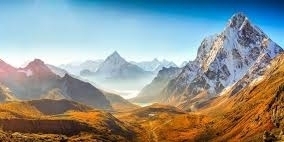
Are you ready for the adventure of a lifetime? The Everest Chola Pass Trek is one of the most thrilling and challenging hikes in the world, offering the rare chance to experience the majesty of both Everest Base Camp and the beautiful Gokyo Lakes while also conquering the daunting Chola Pass at 5,420 meters. Set in the heart of Nepal’s Khumbu region, this trek provides some of the most breathtaking views of the Himalayas, along with the opportunity to immerse yourself in Sherpa culture. From snow-capped peaks to glacial lakes, every step of this journey is a new adventure that will test your endurance and leave you with memories to last a lifetime.
Before you take on this incredible challenge, there’s a lot to prepare for. The trek is demanding, both physically and mentally, so it’s important to understand the route, the altitude, and the level of difficulty. This detailed guide will walk you through everything you need to know to plan your trek—from what to pack and how to train to tips on navigating the terrain and staying safe in high-altitude conditions. Whether you’re an experienced trekker or a first-timer, this guide will help you make the most of your journey and ensure you’re fully prepared for the adventure ahead.
Overview of the Everest Chola Pass Trek
The Everest Chola Pass Trek is a combination of the Everest Base Camp trek and the Gokyo Lakes trek. The trek typically takes 14-17 days to complete, crossing through beautiful Sherpa villages and dense forests, high mountain passes, and offering stunning views of Everest and surrounding peaks like Lhotse, Cho Oyu, and Makalu.
What makes this trek so special is the crossing of the Chola Pass, a high-altitude, strenuous section that connects the Gokyo Valley with the Everest region. The pass offers panoramic views of the Himalayas and is a significant challenge for trekkers due to its steep slopes, sometimes icy conditions, and its high altitude.
Spring is the most popular time to trek in Nepal. Temperatures are moderate, and the skies are generally clear, giving you perfect views of the mountains. Spring also brings rhododendrons and other flowers into bloom, making the landscape even more beautiful. This period is ideal for trekking, as the trails are not overly crowded and weather conditions are usually stable.
Autumn is the second best season for trekking in the Everest region. The weather is generally stable, the skies are clear, and temperatures are cool but bearable. After the monsoon season, the trails are fresh and green, and there’s less risk of rain. While the autumn season is also popular, it's slightly less crowded than spring, making for a more peaceful trek.
The monsoon season brings heavy rains, which make trekking conditions difficult. Trails become slippery, and the risk of landslides increases. The increased rainfall can also cause delays and unsafe conditions, making it the least ideal time to trek.
Important Things to Know Before Trekking the Everest Chola Pa

Embarking on the Everest Chola Pass Trek is an adventure that will take you through some of the most beautiful and rugged terrain in the world. With its high-altitude climbs, challenging weather conditions, and demanding trails, it’s important to be fully prepared both physically and mentally. Here’s an in-depth look at what you need to know before taking on this epic trek.
The Everest Chola Pass Trek is a physically demanding journey. You’ll be trekking for multiple days at high altitudes, so your fitness level will play a big role in your success. Steep ascents, long days of hiking, and the need for endurance will challenge your body, but the rewards—breathtaking views and the satisfaction of conquering the trek—are well worth it. To prepare:
You should begin your physical preparation at least a few months before the trek. Focus on building your cardiovascular endurance, which is key to handling long, uphill climbs.
Your legs, core, and upper body will need to be strong and flexible for handling the challenges of the trek.
Remember, endurance is just as important as strength. Long days on the trail will test your stamina, so training for long periods of activity is key.
The Everest Chola Pass Trek takes you to altitudes above 5,000 meters, which means your body will need time to adjust to lower oxygen levels. Altitude sickness is a serious concern for trekkers, and it can occur even if you’re physically fit. Common symptoms include headaches, dizziness, nausea, and fatigue. To minimize the risk, proper acclimatization is essential.
If you experience any of these symptoms, descend to a lower altitude immediately and seek medical attention if necessary.
Packing the right gear is crucial to your success and safety on the Everest Chola Pass Trek. You’ll be trekking in remote and harsh conditions, so bringing the right equipment will make all the difference.
Proper hydration and nutrition are essential during your trek. Staying hydrated helps your body adjust to the altitude, fight off fatigue, and prevent altitude sickness.
To trek in Nepal’s Everest region, you’ll need several permits to ensure your safety and comply with local regulations:
These permits can be obtained either in Kathmandu or in Lukla before starting your trek.
While trekking, keeping yourself safe and healthy is paramount. Here are some key things to remember:
Recognize the symptoms of altitude sickness and take it seriously. If you start feeling unwell, descend immediately to a lower altitude. Even mild symptoms should not be ignored.
Do not rush your trek. Take your time, walk at a steady pace, and stop regularly to rest. The slow and steady approach allows your body to acclimatize and helps you enjoy the stunning scenery along the way.
Although you will have limited access to communication, some tea houses have Wi-Fi or phone services, which you can use in case of emergency or to update family and friends on your progress.
The Everest Chola Pass Trek is one of the most awe-inspiring treks in the world. It’s a physically demanding journey, but with the right preparation, gear, and mindset, you can take on the challenge. The trek will not only test your physical endurance but will also offer you the chance to experience the grandeur of the Himalayas, local Sherpa culture, and some of the most beautiful landscapes on earth.
By following the advice outlined here, you'll be ready to tackle this life-changing adventure. So, prepare yourself well, stay safe, and enjoy the incredible journey ahead!
