Kathmandu to Lukla: A scenic flight with breathtaking views of the Himalayas.
Local Transportation: Private vehicle transfers in Kathmandu and during the trek as needed.
After breakfast, your guide will meet you at your hotel lobby.
You'll visit UNESCO World Heritage Sites in Kathmandu including:
Pashupatinath Temple: A sacred Hindu temple dedicated to Lord Shiva located on the banks of the Bagmati River.
Boudhanath Stupa: A massive Buddhist stupa and one of the largest in the world, considered as one of the most important pilgrimage sites for Buddhists.
Swayambhunath Stupa (also known as Monkey Temple): A religious complex with a mix of Buddhist and Hindu shrines, on a hilltop with panoramic views of the city.
Kathmandu Durbar Square: A historical site with ancient temples, palaces, and courtyards.
Return to your hotel in the late afternoon for a briefing about the climbing trip.
Final equipment check and packing for the trek.
Overnight stay in Kathmandu.
Early in the morning, you'll take a scenic flight from Kathmandu to Lukla, a small town in the Everest region.
After meeting your trekking crew in Lukla, you'll start trekking to Phakding.
The trail passes through beautiful landscapes, including lush forests and small villages.
You'll have your first glimpse of the high Himalayas, including Mt. Everest, on this day.
Overnight stay in Phakding.
Today's trekking involves crossing several suspension bridges and climbing uphill to reach Namche Bazaar, the largest town in the Everest region.
Namche Bazaar is a lively hub of trekking and mountaineering activities, with many shops, lodges, and cafes.
You'll also visit the Sagarmatha National Park Visitor Center in Namche Bazaar, which provides information about the flora and fauna of the region.
Overnight stay in Namche Bazaar.
This is an important acclimatization day to help your body adjust to the high altitude.
You'll hike to the nearby Everest View Hotel, which offers stunning views of Mt. Everest and other Himalayan peaks.
You'll also have free time to explore Namche Bazaar on your own.
Overnight stay in Namche Bazaar.
The trekking trail gradually ascends through rhododendron and pine forests, with occasional views of the Himalayas.
You'll visit the Tengboche Monastery, one of the largest and most famous monasteries in the Everest region.
Tengboche is also known for its stunning views of Ama Dablam, one of the most beautiful peaks in the Himalayas.
Overnight stay in Tengboche.
You'll continue trekking uphill to reach Dingboche, a small village in the Khumbu Valley.
The trail passes through alpine landscapes, with views of glaciers andsnow-capped peaks.
Dingboche is known for its potato fields and stone walls built to protect crops from the cold winds.
Overnight stay in Dingboche.
Another important acclimatization day to help your body adjust to the high altitude.
You'll hike to the nearby Nagarjun Hill or Chhukung Ri for stunning views of the Himalayas.
You'll also have free time to rest and explore Dingboche on your own.
Overnight stay in Dingboche.
The trail continues to climb gradually, with views of glaciers and icefalls.
You'll pass by several memorials for climbers who lost their lives on Mt. Everest and other peaks.
The trail also passes through the Thokla Pass, where you can see many prayer flags and memorials for climbers.
Overnight stay in Lobuche.
This is the day you've been waiting for! You'll trek to Gorak Shep, a small village near Everest Base Camp.
After lunch and some rest, you'll hike to Everest Base Camp, the starting point for many climbers attempting to summit Mt. Everest.
You'll get to see the Khumbu Icefall and the surrounding peaks up close.
You'll return to Gorak Shep for the night.
This is another highlight of the trek! You'll wake up early in the morning and hike to Kala Patthar, a small peak with stunning views of Mt. Everest, Lhotse, Nuptse, and other peaks.
You'll return to Gorak Shep for breakfast and then trek back to Lobuche.
Overnight stay in Lobuche.
Today, you'll leave the main Everest trail and head towards Island Peak Base Camp.
The trail passes through the Khumbu Glacier and offers spectacular views of the surrounding peaks.
Overnight stay in Island Peak Base Camp.
Another important acclimatization day is to help your body adjust to the high altitude and prepare for the climb.
You'll do some technical climbing training with your guide and practice using the climbing equipment.
You'll also have free time to rest and explore the area around Base Camp.
Overnight stay in Island Peak Base Camp.
This is the day you'll start the actual climb to the summit of Island Peak.
You'll leave Base Camp early in the morning and climb up to High Camp, where you'll spend the night.
The climb involves crossing the Imja Tse glacier and climbing steep uphill sections.
Overnight stay in High Camp.
This is the day you'll attempt to summit Island Peak!
You'll wake up early in the morning and start climbing towards the summit.
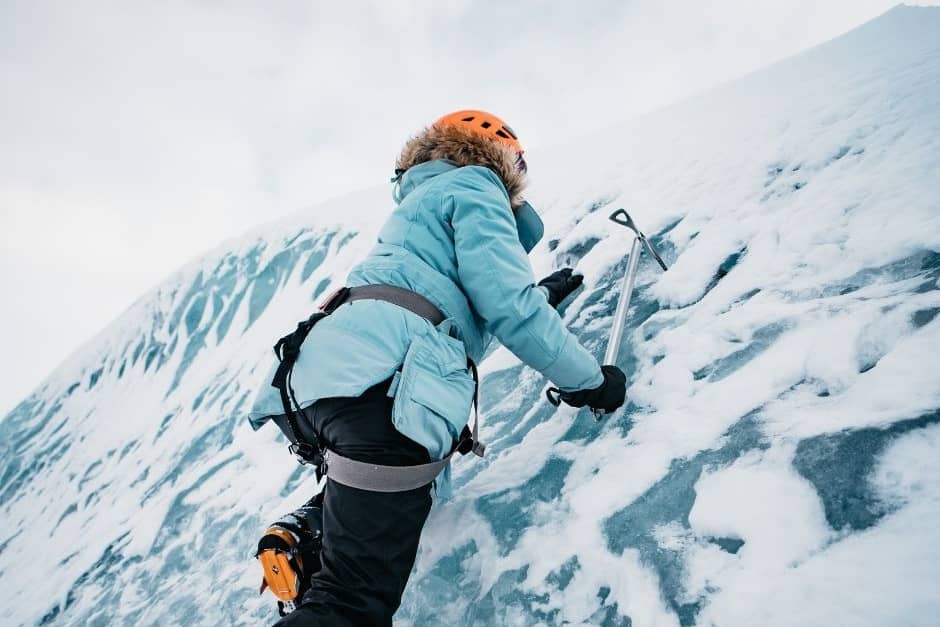
The climb involves using ropes, crampons, and ice axes, and requires good physical and mental fitness.
The summit offers stunning views of the surrounding peaks, including Lhotse, Nuptse, and Ama Dablam.
You'll descend back to High Camp for some rest and then continue down to Chhukung.
Overnight stay in Chhukung
This day is reserved as a contingency in case of bad weather or any other unforeseen circumstances.
If the summit was successful on the previous day, you can use this day for rest or exploring the area around Chhukung.
Overnight stay in Chhukung.
The trek back to Namche Bazaar involves descending through the villages of Dingboche, Tengboche, and Khumjung.
You'll pass through beautiful forests of rhododendron, pine, and juniper, and see stunning views of the Himalayas.
Overnight stay in Namche Bazaar.
This is the final day of the trek! You'll trek back to Lukla, where you'll spend the night before flying back to Kathmandu.
You'll pass through several villages, including Phakding and Chheplung, and cross several suspension bridges over the Dudh Koshi River.
Overnight stay in Lukla.
Airport transfers and domestic flights (Kathmandu-Lukla-Kathmandu)
Accommodation in Kathmandu (3-star hotel) and during the trek
All meals (breakfast, lunch, dinner) during the trek
Experienced climbing guides and support staff
Necessary permits and park fees
Climbing equipment and safety gear
Medical kit and first aid support
Trekking map and itinerary details
Rescue and evacuation insurance
International airfare to and from Nepal
Personal travel insurance
Personal climbing gear (e.g., climbing harness, ice axe)
Visa fees for Nepal
Extra drinks, snacks, and personal expenses
Tips for guides and porters
Additional activities or sightseeing in Kathmandu
Clothing
Handwear
Footwear
Gear
Miscellaneous
The best seasons to climb Island Peak are spring (March to May) and autumn (September to November). During these months, weather conditions are generally stable, skies are clear, and temperatures are suitable for climbing. Spring offers better snow conditions on the summit route, while autumn provides excellent visibility and less snowfall. Miracle Treks and Expeditions carefully plans departures during these seasons to maximize safety, summit success, and overall trekking enjoyment.
Acclimatization is a critical part of Island Peak climbing, and the itinerary is designed to allow gradual altitude gain. Rest days in Namche Bazaar, Dingboche, and Island Peak Base Camp help the body adapt to reduced oxygen levels. Short hikes to higher elevations during acclimatization days improve oxygen efficiency while allowing safe descent for rest. Miracle Treks and Expeditions follows a “climb high, sleep low” principle and closely monitors clients for altitude-related symptoms throughout the journey.
Climbing Island Peak requires good cardiovascular fitness, leg strength, and endurance. Trekkers should be comfortable walking 6–8 hours a day over uneven terrain while carrying a daypack. Pre-trip training such as hiking, stair climbing, cycling, and strength exercises is highly recommended. Miracle Treks and Expeditions advises clients to prepare at least two to three months in advance to improve stamina and reduce fatigue during high-altitude trekking and summit day.
Island Peak climbing is generally safe when undertaken with a professional company and proper preparation. Risks such as altitude sickness, weather changes, and glacier travel exist but are manageable with experienced guides and a well-planned itinerary. Miracle Treks and Expeditions employs licensed climbing guides, provides quality safety equipment, and carries emergency protocols including evacuation support. Safety briefings and regular health checks ensure climbers are well supported throughout the expedition.
Island Peak climbing requires several permits, including a Sagarmatha National Park Permit, Khumbu Pasang Lhamu Rural Municipality Permit, and an Island Peak Climbing Permit issued by the Nepal Mountaineering Association. These permits are mandatory and help support conservation and local development. Miracle Treks and Expeditions handles all permit arrangements in advance, ensuring climbers can focus on preparation and enjoyment without worrying about paperwork or legal requirements.
Accommodation during the trek consists mainly of teahouses with basic but comfortable rooms, while tents are used at Island Peak Base Camp and High Camp. Meals include a mix of Nepali, Tibetan, and Western dishes such as dal bhat, noodles, soups, rice, pasta, and eggs. At higher altitudes, food choices become simpler to ensure freshness and safety. Miracle Treks and Expeditions prioritizes hygienic meal preparation and proper nutrition to maintain energy levels during the climb.
Island Peak, also known as Imja Tse, stands at 6,189 meters and is one of the most popular trekking peaks in Nepal. It is located in the Everest region and offers a perfect blend of trekking and mountaineering. Climbers are rewarded with stunning views of Everest, Lhotse, Nuptse, and Ama Dablam. Island Peak is ideal for first-time climbers who want to experience high-altitude climbing with basic technical sections such as fixed ropes and glacier travel. Miracle Treks and Expeditions recommends it for adventurous trekkers seeking a step into Himalayan climbing.
Prior mountaineering experience is helpful but not strictly mandatory for Island Peak. However, climbers should have strong physical fitness, high-altitude trekking experience, and basic knowledge of using mountaineering equipment such as crampons, ice axes, and harnesses. During acclimatization and pre-climb training days, guides from Miracle Treks and Expeditions provide practical instruction on rope techniques and glacier safety. This makes Island Peak achievable for motivated beginners who prepare properly and follow professional guidance.
Island Peak is classified as a moderately difficult trekking peak. The trek to base camp follows well-established Everest trails, but the summit day involves glacier crossings, steep snow slopes, and fixed rope climbing. The final headwall can be physically demanding due to altitude and cold conditions. While it is not a technical expedition like 8,000-meter peaks, it still requires mental endurance and stamina. Miracle Treks and Expeditions ensures gradual acclimatization and professional support to minimize difficulty and risk.
Miracle Treks and Expeditions is a trusted trekking and climbing company with extensive experience in the Everest region. The company offers professionally designed itineraries, experienced local guides, and personalized service. From airport transfers to summit support, every detail is handled with care and transparency. Their strong focus on safety, acclimatization, and client satisfaction makes Miracle Treks and Expeditions an excellent choice for Island Peak climbing and other Himalayan adventures.