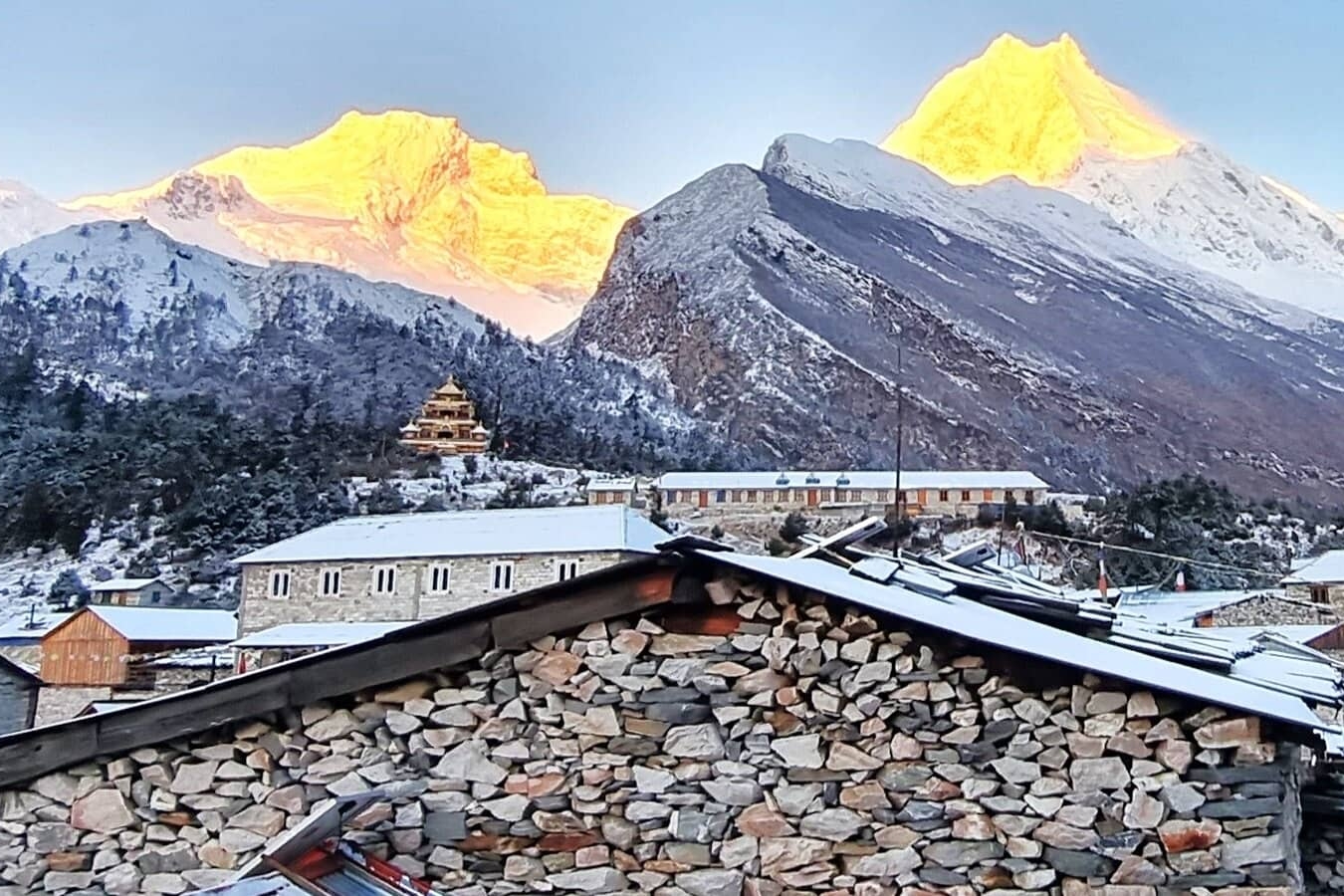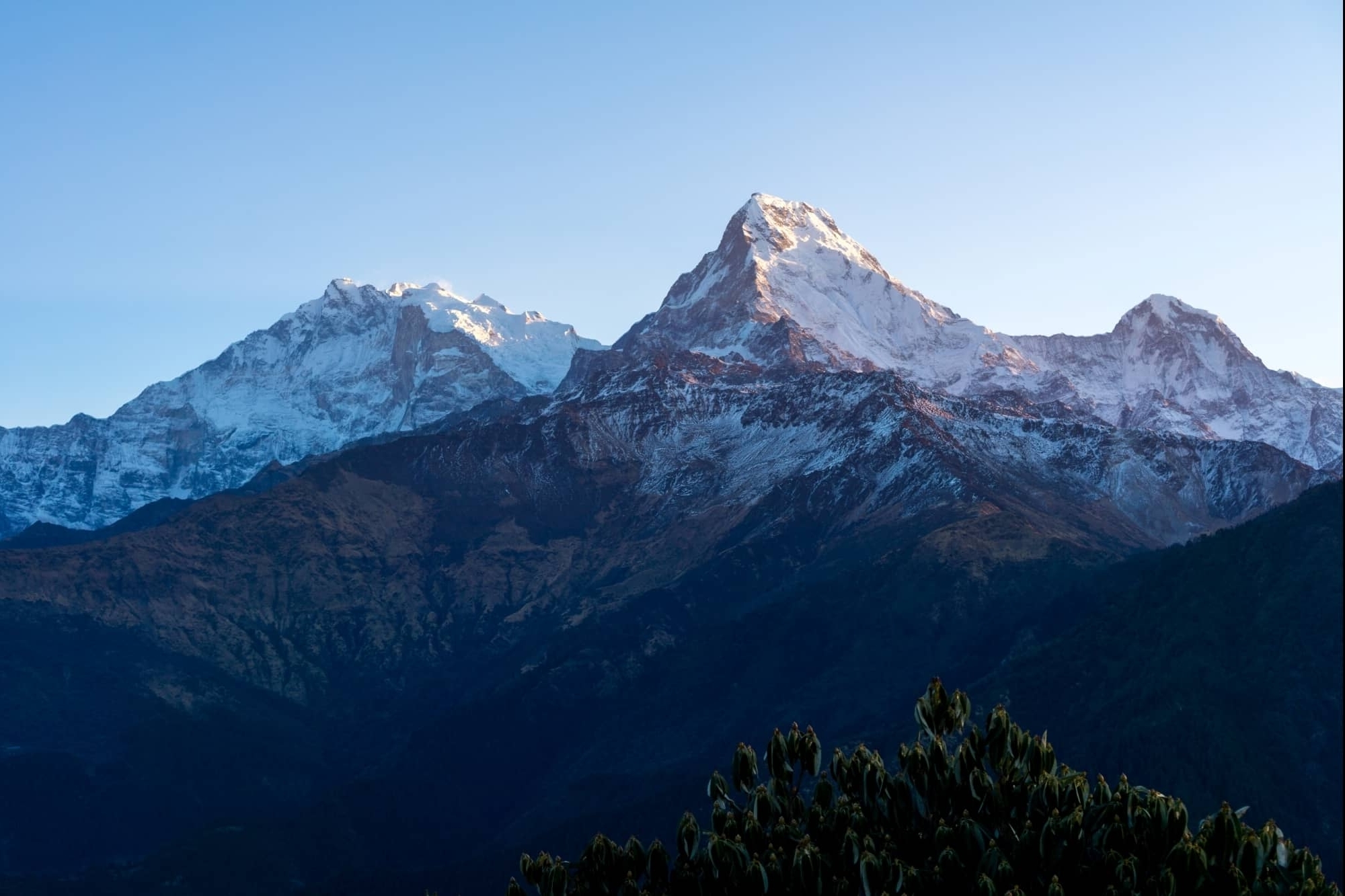
The Tsum Valley Trek is one of the hidden gems of Nepal, offering adventurers a glimpse into a remote and culturally rich part of the Himalayas. Located in the northern part of the Manaslu region, this trek takes you through the secluded valley that shares a close cultural affinity with Tibet. Known as the "Beyul" or sacred valley, Tsum Valley is famous for its ancient monasteries, sacred caves, and untouched Tibetan culture.
The 16-day trek is perfect for those seeking a spiritual and peaceful journey away from the crowded trekking routes. The trail takes you through beautiful rhododendron forests, terraced fields, quaint villages, and impressive mountain vistas. It also offers trekkers a chance to interact with the friendly local people and learn about their unique way of life. This trek is moderately challenging and best suited for trekkers looking for an authentic Himalayan experience.
Arrive in Kathmandu and transfer to your hotel. Explore the city's famous UNESCO World Heritage Sites or prepare for your trek by getting the necessary permits.

A scenic drive to Soti Khola along the Budi Gandaki River takes you through beautiful landscapes and small villages. Overnight in Soti Khola.
Begin your trek to Machha Khola. The trail offers stunning views of cascading waterfalls, terraced fields, and lush forests. Overnight in a teahouse.
Cross suspension bridges and follow a narrow trail along the river to reach Jagat, a small Gurung village, marking the entrance to the restricted area.
Enter the Tsum Valley and trek through forested trails and traditional settlements to Lokpa, the gateway to the valley.
Today’s trail takes you higher into the Tsum Valley, with views of the Ganesh Himal range and lush greenery. Overnight in Chumling village.

Ascend to Chhokangparo, where you’ll experience your first up-close views of the towering peaks surrounding the valley. Visit local monasteries and interact with villagers.
Continue along the trail to Nile. Visit nearby monasteries and sacred sites along the way, soaking in the tranquility of the region.
This is the highest point of the trek, offering breathtaking views of the Himalayan range. Visit Mu Gompa, one of the oldest monasteries in the region.
Take a rest day to explore the monasteries and sacred caves in the region. Learn about the spiritual significance of these sites to the local community.
Retrace your steps to Rachen Gompa, another important monastery in the valley. This Gompa is home to female monks and is a spiritual center for the local people.
Descend back to Chumling through the scenic landscapes you crossed earlier in the trek.
Retrace your steps towards Philim, where the views of the Himalayas remain just as stunning as when you first began the trek.
Reach Tatopani, known for its hot springs where you can relax and ease your muscles after days of trekking.
Return to Soti Khola and drive back to Kathmandu. Celebrate your successful trek and enjoy the evening in the capital city.
Depart from Kathmandu, marking the end of your Himalayan adventure in the Tsum Valley.
Clothing
Handwear
Footwear
Gear
Miscellaneous
The Tsum Valley Trek requires special permits because it lies in a restricted area of Nepal. Trekkers must obtain a Tsum Valley Restricted Area Permit (RAP) and a Manaslu Conservation Area Permit (MCAP). These permits must be arranged through a registered trekking agency and cannot be obtained independently. Miracle Treks and Expeditions handles all permit logistics on behalf of trekkers, ensuring legal compliance and saving time. A minimum of two trekkers is required for permit issuance, and a licensed guide is mandatory throughout the trek.
The best seasons for the Tsum Valley Trek are spring (March to May) and autumn (September to November). During these periods, the weather is stable, skies are clear, and mountain views are spectacular. Spring offers blooming rhododendrons and warmer temperatures, while autumn provides crisp air and excellent visibility. Winter trekking is possible but very cold, especially near Mu Gompa, while the monsoon season brings rain and landslides. Miracle Treks and Expeditions recommends autumn for first-time visitors.
Accommodation on the Tsum Valley Trek mainly consists of local teahouses and basic lodges run by village families. Rooms are generally twin-sharing with simple bedding, and bathrooms are often shared. As the trek enters remote areas like Nile and Mu Gompa, facilities become more basic, with limited electricity and hot water. Staying in these teahouses offers a unique cultural experience, allowing trekkers to interact with locals. Miracle Treks and Expeditions carefully selects the best available lodges to ensure comfort and hygiene throughout the journey.
Meals during the Tsum Valley Trek are simple, nutritious, and designed to sustain trekkers during long walking days. Common dishes include dal bhat (rice, lentils, vegetables), noodles, soups, Tibetan bread, momos, porridge, and potatoes. As you move higher into the valley, food choices become more limited, but meals remain filling and freshly prepared. Miracle Treks and Expeditions advises trekkers to eat local food, stay hydrated, and avoid meat at higher altitudes to reduce health risks.
Altitude sickness is a potential concern, as the trek reaches elevations above 3,000 meters, particularly around Chhokangparo, Nile, and Mu Gompa. However, the itinerary is designed with gradual altitude gain and includes acclimatization days, such as the exploration day at Mu Gompa. Symptoms like headaches or fatigue should be reported immediately. Miracle Treks and Expeditions’ experienced guides monitor trekkers closely, provide guidance on hydration and pacing, and are trained to respond effectively in case of altitude-related issues.
The Tsum Valley Trek is one of the more remote trekking routes in Nepal, especially beyond Lokpa and Chumling. Mobile network coverage is limited or nonexistent in higher villages, and internet access is rare. This remoteness is part of the trek’s charm, offering peace, untouched landscapes, and minimal crowds. Emergency facilities are limited, making guided trekking essential. Miracle Treks and Expeditions ensures safety through experienced guides, proper planning, and coordination with local communities along the route.
Packing appropriately is crucial for a comfortable trek. Essential items include sturdy trekking boots, layered clothing, a warm down jacket, sleeping bag, rain gear, trekking poles, and personal medications. As temperatures can drop significantly at higher altitudes, warm clothing is vital. Power banks and headlamps are useful due to limited electricity. Miracle Treks and Expeditions provides a detailed packing list and pre-trek briefing to help trekkers prepare effectively for changing weather and terrain conditions.
The Tsum Valley Trek is a culturally rich and spiritually significant trekking route located in the northern part of the Gorkha district of Nepal, near the Tibetan border. Often referred to as the “Hidden Valley of Happiness,” Tsum Valley remained restricted to outsiders until 2008, which has helped preserve its ancient Tibetan Buddhist culture, monasteries, and traditional lifestyle. With Miracle Treks and Expeditions, trekkers experience pristine landscapes, remote villages like Chumling and Chhokangparo, and sacred sites such as Mu Gompa and Rachen Gompa. This trek is ideal for travelers seeking cultural immersion rather than crowded trekking routes.
The Tsum Valley Trek is considered a moderate-level trek, suitable for trekkers with reasonable physical fitness. While it does not involve technical climbing, it includes long walking days, gradual ascents, and some steep sections, especially between villages like Chumling, Chhokangparo, and Nile. Altitude gain is steady, reaching around 3,700 meters at Mu Gompa, allowing for proper acclimatization. Miracle Treks and Expeditions carefully designs the itinerary to minimize altitude risks, making it accessible to first-time trekkers who prepare adequately and follow guide instructions.
The Tsum Valley is deeply rooted in Tibetan Buddhist culture, and trekking through it feels like stepping back in time. Villages follow ancient traditions, practice polyandry in some areas, and maintain a strong monastic lifestyle. Trekkers visit important spiritual centers such as Mu Gompa, Rachen Gompa, and Dhephu Doma Gompa, where monks and nuns live in meditation. With Miracle Treks and Expeditions, guides explain local customs, prayer rituals, and festivals, enhancing cultural understanding and respect.
Prior trekking experience is helpful but not mandatory for the Tsum Valley Trek. Individuals with good physical fitness, a positive attitude, and willingness to walk 5–7 hours daily can successfully complete the trek. Beginners are encouraged to train beforehand with cardio exercises and hiking practice. Miracle Treks and Expeditions provides professional guides, flexible pacing, and support staff to ensure even less-experienced trekkers feel confident and safe throughout the journey.
Miracle Treks and Expeditions is a trusted Nepal-based trekking company known for its professionalism, safety standards, and personalized service. Their experienced guides have in-depth knowledge of the Tsum Valley’s terrain, culture, and history. The company manages permits, logistics, accommodation, and meals efficiently, allowing trekkers to focus on the experience. By choosing Miracle Treks and Expeditions, trekkers support responsible tourism while enjoying a well-organized, culturally enriching, and memorable Tsum Valley Trek.