Hire a guide only: Miracle Treks and Expeditions
6 Apr 2023
Hire a professional trekking guide for your adventure in Nepal. Get expert guidance, safety, and local knowledge on your Nepal trek with Miracle Treks.

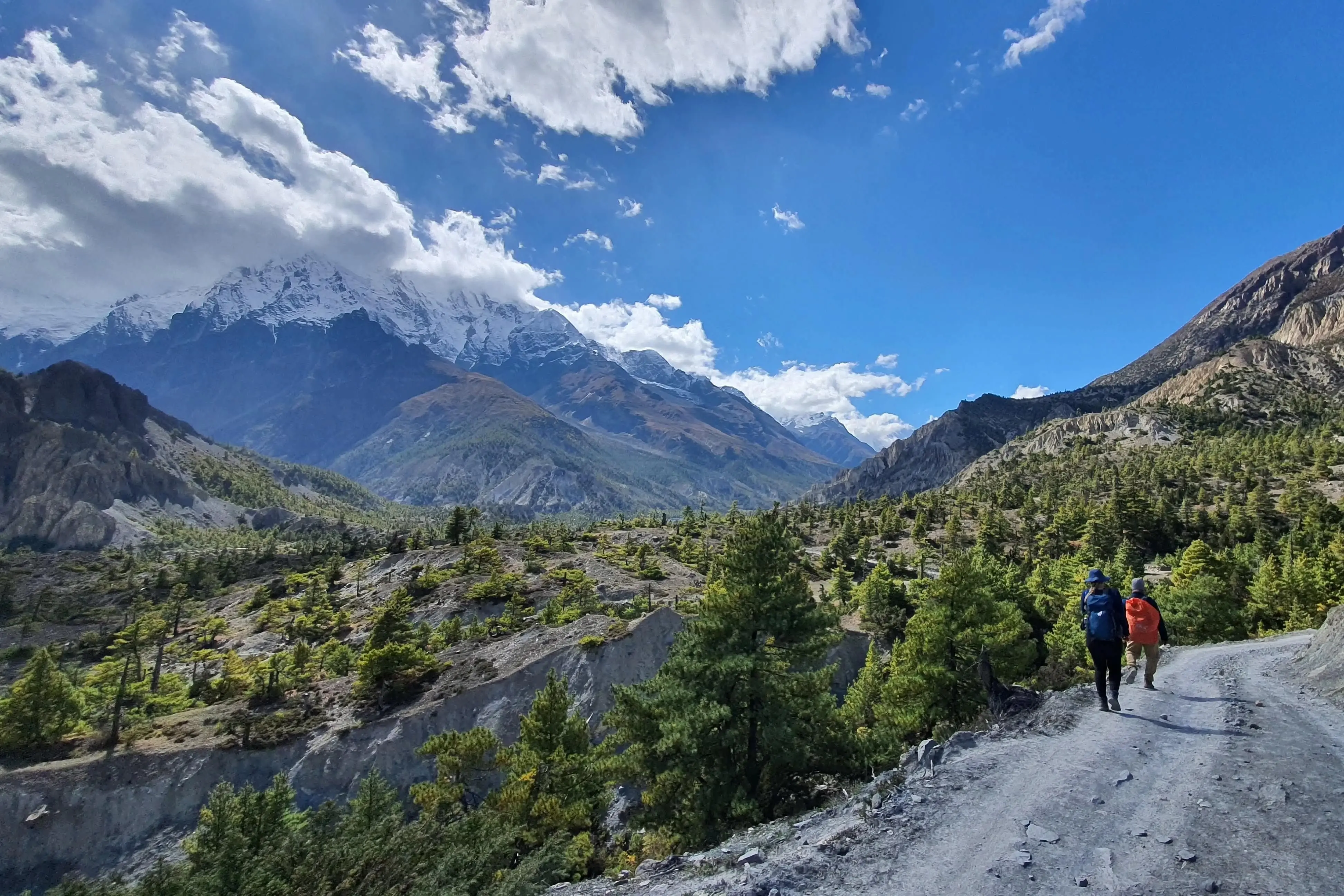
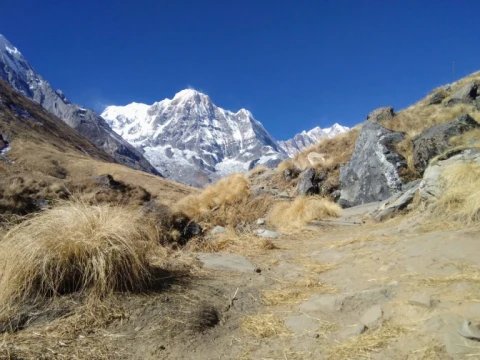
Standing at the heart of the Himalayas, surrounded by a 360-degree panorama of towering, snow-capped peaks, is a moment that forever alters your perspective on the world. The Annapurna Base Camp trek is arguably one of the most spectacular journeys on the planet, offering a perfect blend of rich cultural immersion, diverse landscapes, and awe-inspiring alpine scenery.
Whether you are a seasoned mountaineer or a passionate novice looking for your first major base camp adventure, preparation is the key to a successful journey. Trekking in Nepal requires careful planning, from understanding local logistics to physical conditioning. This comprehensive guide covers all the essential tips you need to conquer this legendary trail safely and confidently.
Understanding the Challenge: Difficulty and Preparation
Before booking flights, it is crucial to assess what the trail demands of your body. The Annapurna base camp trek difficulty level is generally classified as moderate. However, "moderate" in the Himalayas still means days filled with steep ascents, relentless stone staircases, and high altitudes.
Many hikers weigh their options between Nepal’s two most famous routes. When comparing ABC vs EBC trail difficulty, the Annapurna route is widely considered slightly easier. The Everest Base Camp (EBC) trek pushes you to a maximum elevation of 5,364 meters, keeping you at high altitudes for a longer duration. In contrast, the Annapurna Base Camp (ABC) sits at 4,130 meters. The lower maximum elevation significantly reduces the risk of severe altitude-related issues, making it an excellent introduction to base camp hiking for those who haven't experienced extreme altitudes before.
Do not underestimate the countless stone steps, particularly in the lower regions like Ulleri. Effective physical training for Nepal mountain trails should begin at least two to three months before your departure. Focus on:
Choosing the right season will dramatically impact your overall experience. The best time to visit Annapurna Sanctuary is during the pre-monsoon (spring) and post-monsoon (autumn) seasons.
Spring (March to May) transforms the lower valleys into a vibrant canvas of blooming red and pink rhododendron forests. However, autumn is undeniably the peak season for trekking Annapurna. The trekking weather patterns in October and November are highly favorable, offering brilliantly clear skies, stable temperatures, and unparalleled visibility of the mountain ranges. While the mornings and evenings at higher altitudes will be freezing, daytime temperatures are incredibly comfortable for active hiking.
Winter treks (December to February) are possible but come with extreme cold and a high risk of trail closures due to avalanche danger. Summer (June to August) brings the monsoon, meaning heavy rain, leeches, and obscured mountain views.
A standard Annapurna itinerary usually takes anywhere from 7 to 12 days, depending on your starting point and walking pace. If you are tightly constrained by time, you can opt for an Annapurna base camp short trek, which condenses the journey into 5 to 7 days by utilizing jeep roads to bypass the lower trekking sections. However, shorter treks require a faster pace, which can impact acclimatization.
As you begin your hike, the trail winds through lush, subtropical forests. You will be captivated by the Modi Khola river valley scenery, where roaring glacial waters carve their way through steep, green gorges.
A major highlight of the lower route is the Ghandruk village cultural experience. Ghandruk is the second-largest Gurung settlement in Nepal. Here, you can explore traditional houses with slate roofs, visit the local cultural museum, and enjoy sweeping views of Annapurna South and Machhapuchhre (Fishtail) mountain.
The Final Approach
As you push higher past Bamboo and Deurali, the tree line fades, giving way to sparse alpine vegetation. A critical phase of your journey is the Machhapuchhre Base Camp itinerary segment. Situated at 3,700 meters, MBC serves as the gateway to the sanctuary. From here, the valley widens, and a brief two-hour hike leads you directly to ABC.
Navigating the administrative and logistical aspects of an Annapurna trek is straightforward once you know the rules.
Permits
You cannot step onto the trail without the proper paperwork. Understanding Nepal trekking permit costs and requirements is essential. For this route, you need two documents:
Both permits can be obtained at the Nepal Tourism Board offices in either Kathmandu or Pokhara. Combined, they cost approximately $40 to $50 USD, depending on the current exchange rate and whether you are trekking with an agency. You will need your passport and several passport-sized photos to process these.
Pokhara is the staging ground for any Annapurna adventure. From Pokhara, you must travel to the trailheads, usually Nayapul, Jhinu, or Siwai. When evaluating Pokhara to Nayapul transportation options, you have three main choices:
A common debate among hikers is hiring a guide vs trekking independently. The Annapurna trail is exceptionally well-marked, making independent trekking entirely feasible for experienced hikers. However, recent regulations in Nepal have increasingly pushed for mandatory guides for foreign trekkers in various regions. Always check the latest local laws before arriving.
Legal requirements aside, hiring a reputable Annapurna base camp trek guide is highly recommended. A professional trekking guide ensures your safety, handles your accommodation bookings during peak season, and provides invaluable insights into local culture, flora, and fauna, vastly enriching your Annapurna hiking experience.
The infrastructure along this route is excellent. Unlike remote camping expeditions, this is a classic "tea house" trek.
Your Annapurna base camp trek accommodation will consist of family-run mountain lodges known as tea houses. Do not expect luxury, but rather cozy, communal comfort. The typical tea house accommodation facilities and amenities include:
The communal dining halls are the heart of the tea house, usually heated in the evenings by a central stove fueled by wood or dried yak dung. The menu is surprisingly diverse. The golden rule of any base camp trek in Nepal is: Dal Bhat power, 24 hour. This traditional meal of lentil soup, rice, vegetable curry, and pickles is all-you-can-eat and provides the perfect complex carbohydrates for mountain climbing. You will also find noodles, momos (dumplings), pasta, oatmeal, and eggs.
Calculating your Annapurna base camp trek cost requires looking at pre-trek expenses and on-trail spending.
For the trek itself, the average daily budget for Nepal trekking ranges from $25 to $40 USD per person. This covers three meals a day, a bed in a tea house, and minor extras like charging your phone, buying toilet paper, or sipping a pot of hot ginger tea. Keep in mind that prices increase the higher you hike. A bottle of water that costs $0.50 in Nayapul might cost $3.00 at Base Camp because every item must be carried up the mountain by porters or mules.
The mountains demand respect. Proper preparation regarding gear and health protocols is non-negotiable.
Your packing list should strike a balance between being lightweight and being prepared for extreme mountain weather. The essential gear for high altitude trekking includes:
Though this trek is lower than Everest, the risk of Acute Mountain Sickness (AMS) is still a serious threat. Effective altitude sickness prevention for Himalayan hiking revolves around three principles:
Listen to your body. If you experience a severe headache, nausea, dizziness, or shortness of breath while resting, you must descend immediately. Never sleep at a higher altitude if you are experiencing symptoms of AMS.
One of the greatest perks of the Annapurna trek comes during the descent. Most itineraries route hikers back down through the village of Jhinu Danda. Here, a short hike down to the riverbank reveals the incredible Jhinu Danda natural hot springs. Stripping off your heavy trekking gear and soaking your sore, exhausted muscles in these natural thermal pools while listening to the roaring glacial river beside you is an unforgettable highlight of the journey.
Embarking on an Annapurna Base Camp trek is more than just a physical challenge; it is a transformative journey into the heart of the world’s most magnificent mountain range. By taking the time to prepare physically, packing the right gear, understanding the logistics of permits and guides, and respecting the altitude, you set yourself up for an incredible experience.
From the vibrant cultural tapestries of Ghandruk to the frozen, echoing amphitheater of the Annapurna Sanctuary, every step on this trail offers a new wonder. Pack your bags, lace up your boots, and get ready for a Himalayan adventure that will leave you with memories to last a lifetime.

Hire a professional trekking guide for your adventure in Nepal. Get expert guidance, safety, and local knowledge on your Nepal trek with Miracle Treks.

Explore the best adventure activities in Nepal, from trekking to paragliding and mountain climbing. Unveil the thrill of Nepal's Himalayan wonders.

Get all the essential details for the Annapurna Circuit Trek. Plan your trek with tips on altitude, permits, and the best seasons to visit the Annapurna range.

Before embarking on the Annapurna Base Camp Trek, check out essential information about the ABC trek, including route, permits, and best trekking season.
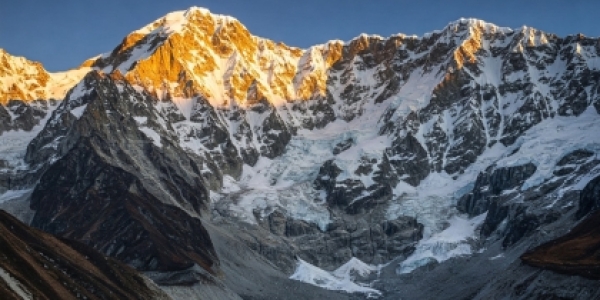
Embark on an unforgettable journey to Annapurna Base Camp. Discover breathtaking landscapes, rich culture, and expert guidance for an extraordinary trek.
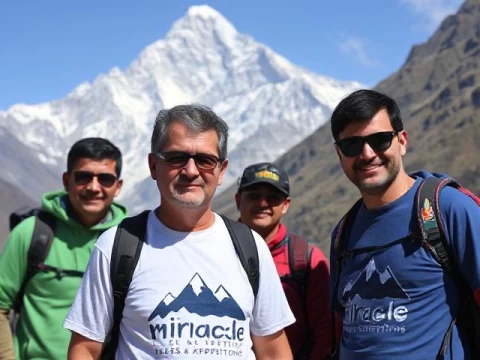
Nestled in the heart of the Himalayas, the Annapurna Circuit Trek is more than just a walk; it's a legendary journey that has captivated the hearts of adventurers for decades. Often hailed as one of the world's best treks, it offers an unparalleled tapestry of experiences: from lush subtropical forests and terraced rice paddies to high-altitude deserts and some of the most dramatic mountain scenery on the planet.